viernes, 8 de enero de 2016

INTRODUCCIÓN

Hola, mi nombre es Elena y voy a crear este blog para hablar de la energía, como lo estoy haciendo por un trabajo de tecnología, debo hablar de ella en inglés. Espero que entiendan, aprovechen y disfruten mi blog.
¡Hasta otra!

jueves, 7 de enero de 2016

WHAT IS ENERGY?


It is the capacity of a physical system to perform work.

Energy exists in some forms such as heat, kinetic or mechanical energy, light, potential energy, electrical, or other forms.
According to the law of conservation of energy, the total energy of a system stays constant, although energy may transform into another form. 
The SI unit of energy is the joule (J) or newton-meter (N * m). The joule is also the SI unit of work.


The energy we consume has many different uses:
  • Household uses: operating household appliances, heating systems, means of transport, agriculture, etc.
  • Industrial uses: the operation of factories and bussinesses, construction, agriculture, etc.
miércoles, 6 de enero de 2016

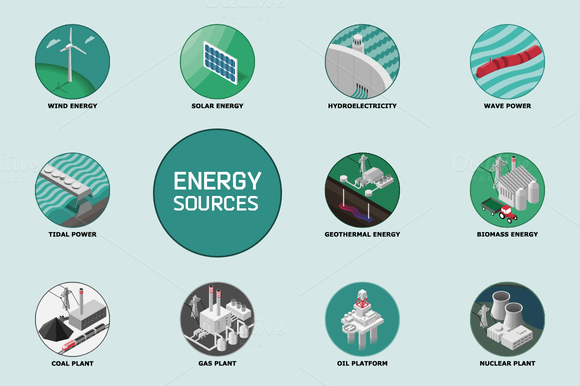
ENERGY SOURCES


Energy sources are natural resources from which different forms of energy are obtained.

We can classify energy sources in several ways:
  • by availability in nature: renewable or non-renewable.
  • by origin: primary or secondary.
  • by use: conventional or non-conventional.
  • by environment impact: clean or polluting.
Aplyin this classification of energy sources you can find:
  • Hydraulic
  • Geothermal
  • Nuclear
  • Wind power
  • Solar
  • Petroleum and its derivates
  • Coal
  • Natural gas
  • Biomass
  • Tidal power 

martes, 5 de enero de 2016

ELECTRICAL ENERGY

MEANING

Electrical energy is the most widely used form of energy in industrialised societies for two reasons:
  • its capacity to de easily transformed into other forms of energy
  • the posibility of transporting it long distances at a low cost

GENERATION

Electricity is porducded at an electrical power plants that use an external source of energy to produce electricity. To do this, they rely on a turbine-alternator system.
  • The turbine converts mechanical energy into te rotating movement of a shaft
  • The alternator is connected to the turbine shaft. As the shaft moves, it produces alternating electrical current.
       Once electricity is generated, it must be transported to towns, cities or industrial parks.


STORAGE


Electric energy storage (EES) uses forms of energy such as chemical, kinetic or potential energy to store energy that will later be converted to elctricity.


TRANSPORTATION

The transportation of electrical energy involves several proceses: raising the voltage to 220 000 V or 400 000 V, transporting it by high voltage  at electricity  substations until it reaches 3-30 kV and distributing it to the consumption centres

lunes, 4 de enero de 2016

ELECTRICAL POWER PLANTS


In Canary Islands the conventional power plants are:
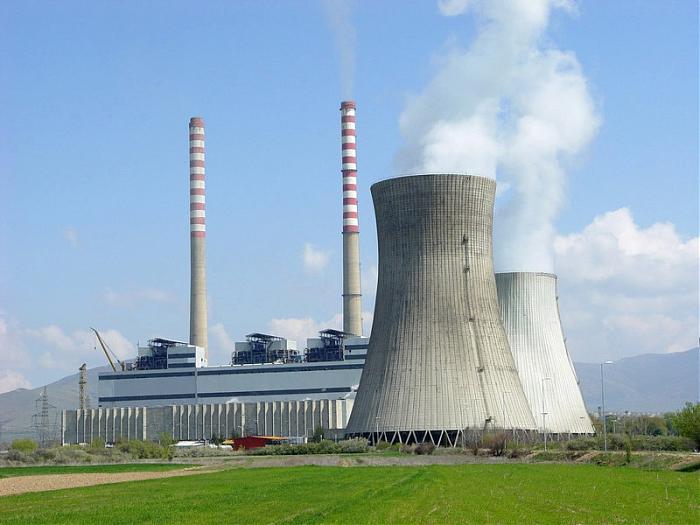
  • Thermal power plants: water is heated in a boiler by the heat generated from the combustion of a fossil fuel (natural gas, coal or petroleum). The steam is that is generated moves the turbine connected to the generator.
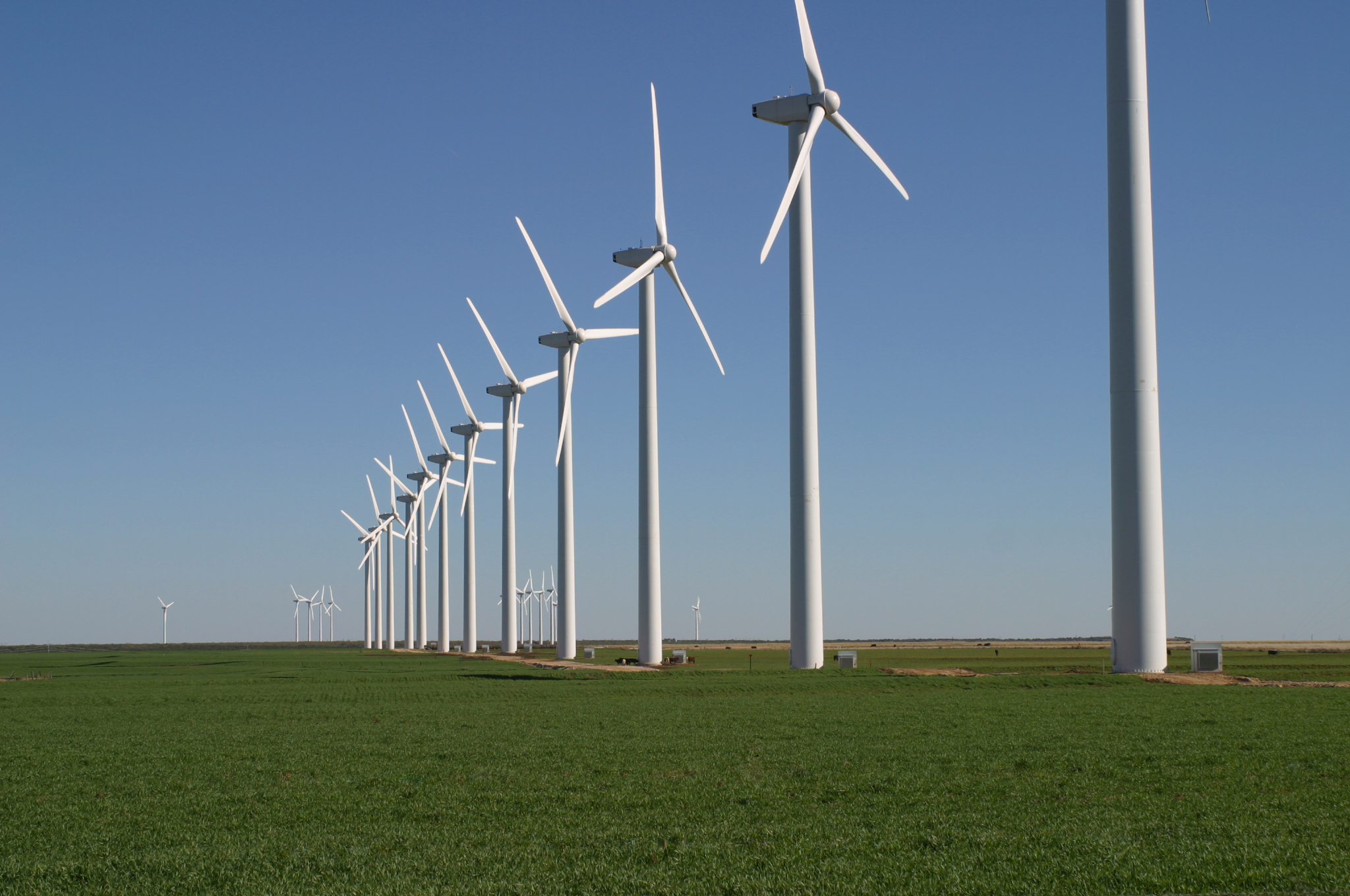
  • Wind farms use the kinetic energy of the wind to move the blades of a rotor at the top of a tower; this is referred to as a wind turbine.
  • Solar power plants use the Sun's energy. There are two types: photo-thermal powetr plants are thermal power plants in which steam is produced by solar radiatio, while photovoltaic power plants transform solar radiation directly into electricity, using panels of photovoltaic cells.
The non-conventional power plants are:
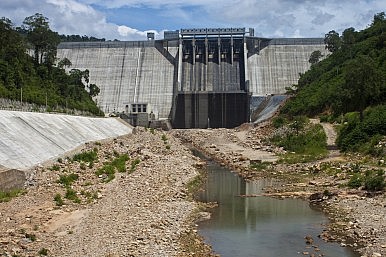
  • Hydroelectric power plants use the potential energy provided by the heigbht of the water stored in a dam, converting it into kinetic energy. This energy moves the blades of the turbine. There are two types: gravity and pump.

  • Biomass consists of all organic compounds that are produced through natural processes. Biomass thermal power plants are thermal power plants that use biomass as fuel.

domingo, 3 de enero de 2016

ENVIRONMENT IMPACT + SOLUTIONS

ENVIRONMENTAL IMPACT

Environmental assessment is a procedure that ensures that the environmental implications of decisions are taken into account before the decisions are made.

ENVIRONMENT REPERCUSSIONS


1.Coal :
The use of coal and other fossil fuels have only increased since they were discovered. Their excessive extraction and use has resulted in degradation of environment and ecological imbalance. Though coal is still available in big quantity on this earth but it is predicted that it won’t last for more than 40-50 years if switch is not made to green or clean energy.


2. Oil :
Wide usage of oil and oil related products has resulted in massive air pollution. It is a major source of fuel that is used in vehicles. Due to the process of combustion, harmful gases like carbon dioxide are released when oil is burnt.
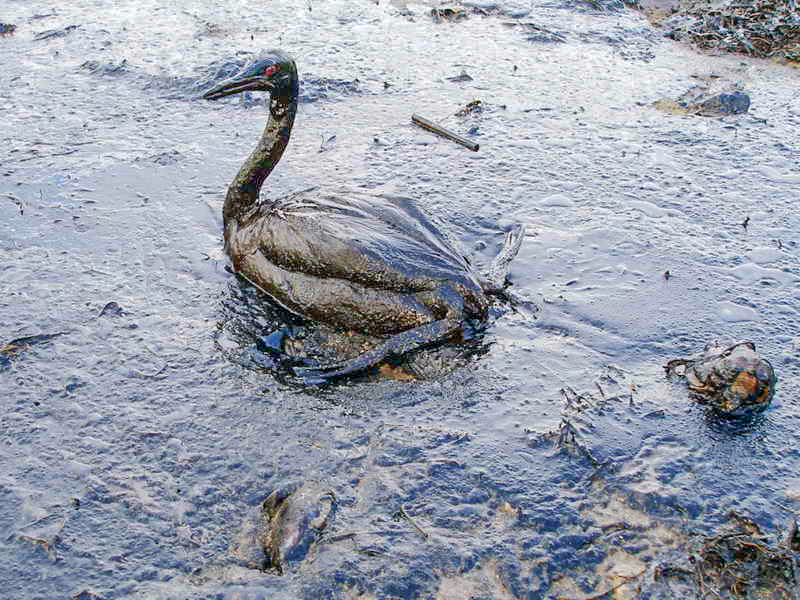
Oil is transported to other nations using pipelines or ships. Leakage in ships leads to oil spill which affects animals and plants that live inside or around the sea. Just couple of years back, a ship containing oil of British Petroleum (BP) caused oil leakage which resulted in killing of many whales, fishes and small animals that live inside the sea.


3. Nuclear Energy :
Nuclear power plants produce some sort of nuclear waste called radioactive elements. These elements emit strong radiations and must be buried deep underground so that they don’t affect human life. Couple of nuclear disasters has already occurred in past including Chernobyl and Island Three Miles. In the recent past, there is the case of the disaster, which happened in Japan back in 2010.


4. Hydroelctric power plants:
Flooding land for a hydroelectric reservoir has an extreme environmental impact: it destroys forest, wildlife habitat, agricultural land, and scenic lands.
It has major impact on aquatic ecosystems. For example, , fish and other organisms can be injured and killed by turbine blades.


5. Thermal power plants. Produce iar-pollution, give off large amounts if CO2, wich increaes the geenhouse effect and emit gases that causes acid-rain
    GreenHouse effect: The Earth gets energy from the sun in the form of sunlight. The Earth's surface absorbs some of this energy and heats up. The Earth cools down by giving off a different form of energy, called infrared radiation. But before all this radiation can escape to outer space, greenhouse gases in the atmosphere absorb some of it, which makes the atmosphere warmer. As the atmosphere gets warmer, it makes the Earth's surface warmer, too.

Acid-Rain: Acid rain is a rain or any other form of precipitation that is unusually acidic, meaning that it possesses elevated levels of hydrogen ions (low pH). It can have harmful effects on plants, aquatic animals and infrastructure. Acid rain is caused by emissions of sulfur dioxide and nitrogen oxide, which react with the water molecules in the atmosphere to produce acids.


SOLUTIONS
  • Energy efficiency is "using less energy to provide the same service"
  • You ought to reduce the consumption of all forms of energy, for example, turn the lights on only when you need it or use the shower instead of the bath.
  • You should adopt habits that are more respectful for the environment, like using public transport or recycling your rubbish.
  • And you must use renewable energy sources.


This video shows you what we are doing to the Earth.


sábado, 2 de enero de 2016

CENTRALES EN GRAN CANARIA

La central térmica de Jinámar produce el 21% de la electricidad de la isla.
La central de Jinámar produce el 21% de la electricidad de la Isla


Central térmica del Barranco de Tirajana

Parque eolico carretera de arinaga

Planta fotovoltáica en pozo izquierdo
El encargado de la desaladora, José Manuel Díaz García, en medio de la planta fotovoltaica de Pozo Izquierdo, con generadores eólicos de la zona baja de Santa Lucía al fondo.   YAIZA SOCORRO